One of the photographs I remember most clearly is one I almost missed.
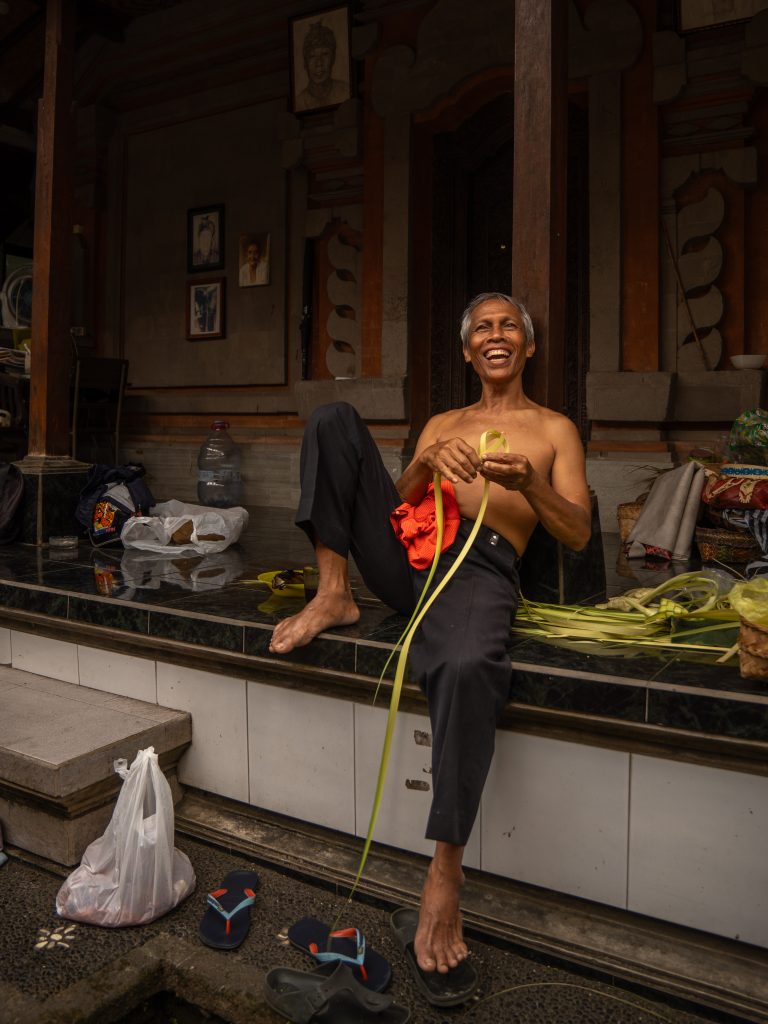
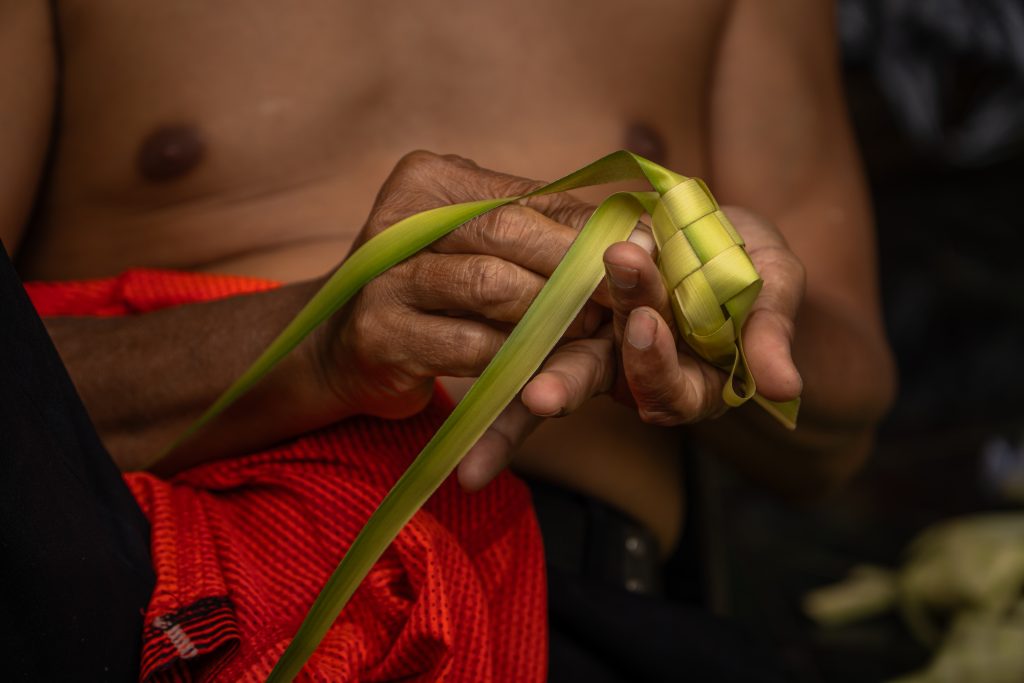
I was travelling through Indonesia and had just gotten a massage. The massage place was in a narrow alleyway, a little run-down. There was a bird in a cage and dogs roaming around freely. And there he was: a man sitting on his porch, making Ketupat, little Balinese rice cakes. The pouches woven from palm leaves are filled with rice and then boiled until the grains expand and form a firm, compact mass.
For a few minutes, I was just watching him. Observing how his hands formed every pouch, one by one, with perfection. Making a pouch took him only a few seconds, before he moved on to the next one. Yet, he wasn’t even looking at his hands. Instead, he was deeply engaged in a conversation with his neighbour, both of them laughing loudly. Capturing that unguarded joy made it one of my favourite travel photographs.
How photography changed the way I move through places
Moments like this are probably why I rarely move through a place quite as quickly as I used to. Picking up a camera has taught me to slow down, but perhaps more importantly, it has taught me to wander without always knowing what I am looking for. I take more detours now. I turn into streets simply because something catches my eye, linger in places that would never appear on an itinerary and sometimes realise I have spent half an hour within the same few metres.
With a camera in my hand, moving through a place becomes less about getting from one point to the next and more about paying attention to everything in between. I started looking sideways rather than only ahead — into doorways, across café terraces, down streets that led nowhere in particular. Sometimes I follow the light. Sometimes a person. Sometimes a sound coming from around a corner. The route I had planned becomes secondary, and often I find myself purposefully getting lost.
One of my favourite ways of exploring a new place is to put the map away and choose streets simply because they make me curious. I call it “taking the scenic route”. I will arrive eventually, just not in the fastest, most efficient way. And there is something freeing about allowing yourself to wander, even if it feels counterintuitive in today’s society. In a world so obsessed about optimisation, there is little room for getting lost. But in photography, this can be the whole point. A camera makes wandering feel purposeful, even when I have nowhere in particular to go. And the more I allowed myself to wander, the more I realised that photography was changing not just where I went, but what I noticed once I got there. I used to think travel photography was mainly about documenting where I had been. Increasingly, I think it is about learning how to look.
Noticing the details
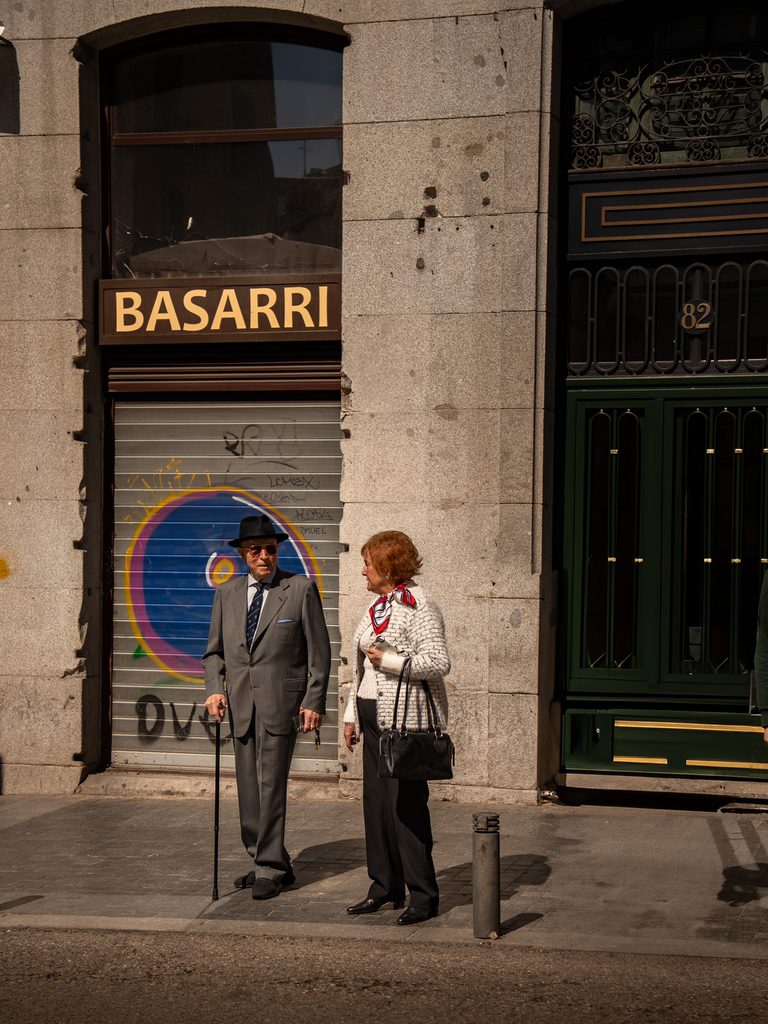
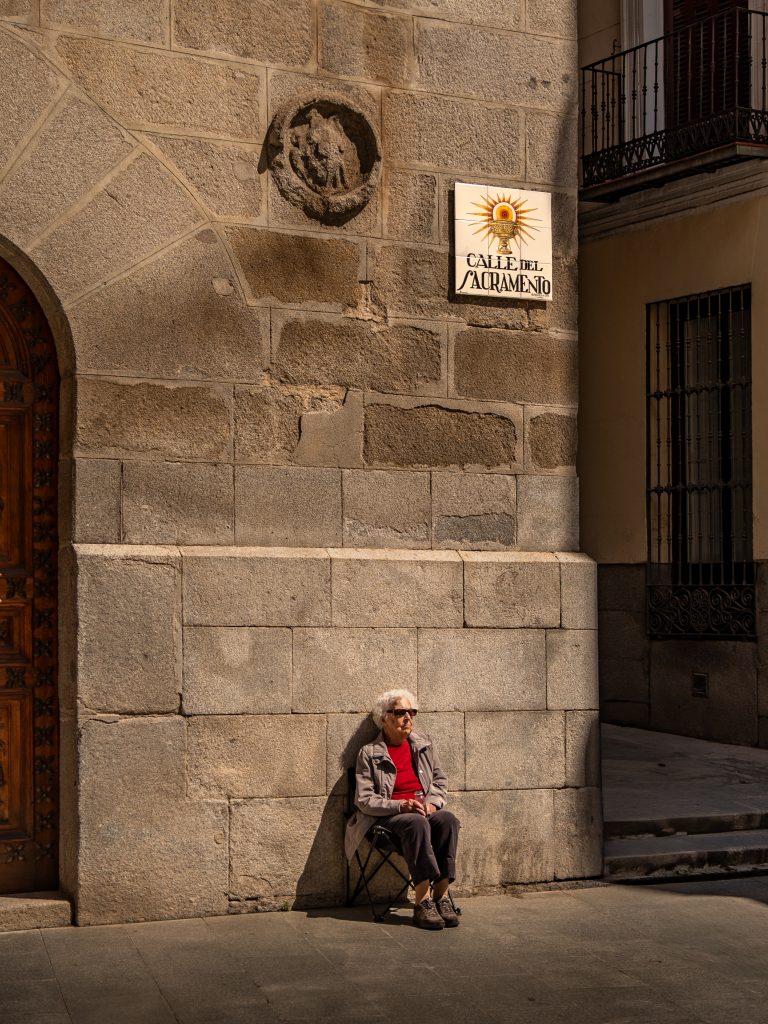
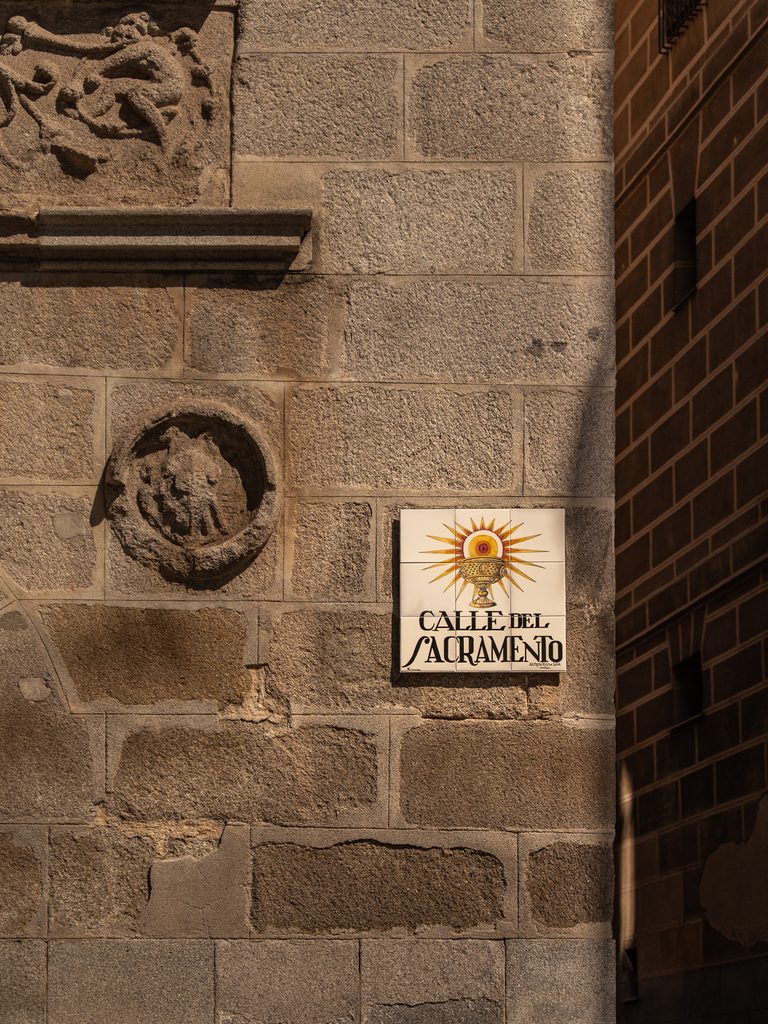
What I find myself looking for now is rarely just the obvious photograph. Of course, I still take the postcard shot. But increasingly, I find myself looking closer, beyond what is visually impressive at first glance. The most meaningful image is not always the prettiest one. Sometimes a side road or ordinary interaction tells you more about a place than the famous viewpoint. What distinguishes one place from another isn’t just the landmarks, the architecture and the sightseeing hotspots. It is the character of a place that can only be uncovered by slowing down and noticing the details. It lies in the streets that have been wandered by so many people before, and will be wandered by so many people after I have passed. It lies in laundry hanging between balconies and windows left open to the sounds of the street below. It lies in the faded shop signs and worn doorsteps that hint at how long a building has been part of the neighbourhood. It lies in the market stalls that appear every week, arranged by people who know many of their customers by name. It lies in the family-owned restaurants that have been passed down from generation to generation, each adding a new layer to century-old recipes.
It lies in the things that would never make it onto a list of sights, yet are often the things I remember most clearly once I leave. But to notice these things, it is necessary to slow down and become part of the place itself. Merely rushing through it, trying to cram the most sights into a 24-hour day and ticking off all the “must-do” itinerary experiences makes you miss the character of a place. Without the details, destinations become interchangeable. Of course, the landmarks differ, but in the end, a market square in Bratislava and in Mallorca can look surprisingly similar from the outside. Only when you take the time to wander the stalls, try the local products, and talk to the stall keepers, does the essence of this particular market start to unfold.
The camera as permission to be curious
Somewhere along the way, photography stopped being only a way of recording a place and became a way of understanding it. My camera has become a doorway into the stories behind a place. A scene can make you wonder who someone is, what they are doing, why a place looks a certain way, or what happened before you arrived. It sparks a hunger to know more, and following that curiosity often leads me to something I would never have learned otherwise.
Wanting to take a photograph has given me countless reasons to approach someone, ask permission, and start a conversation. And often, the most interesting part is not the image I take, but what happens before and after it. Once that initial barrier is crossed, the interaction can move far beyond photography. What follows might be a conversation about their work, their family, the place they call home or something I could never have guessed from looking at them. It has led me to hear people’s stories I would have missed otherwise and recommendations for places I would never have found on my own.
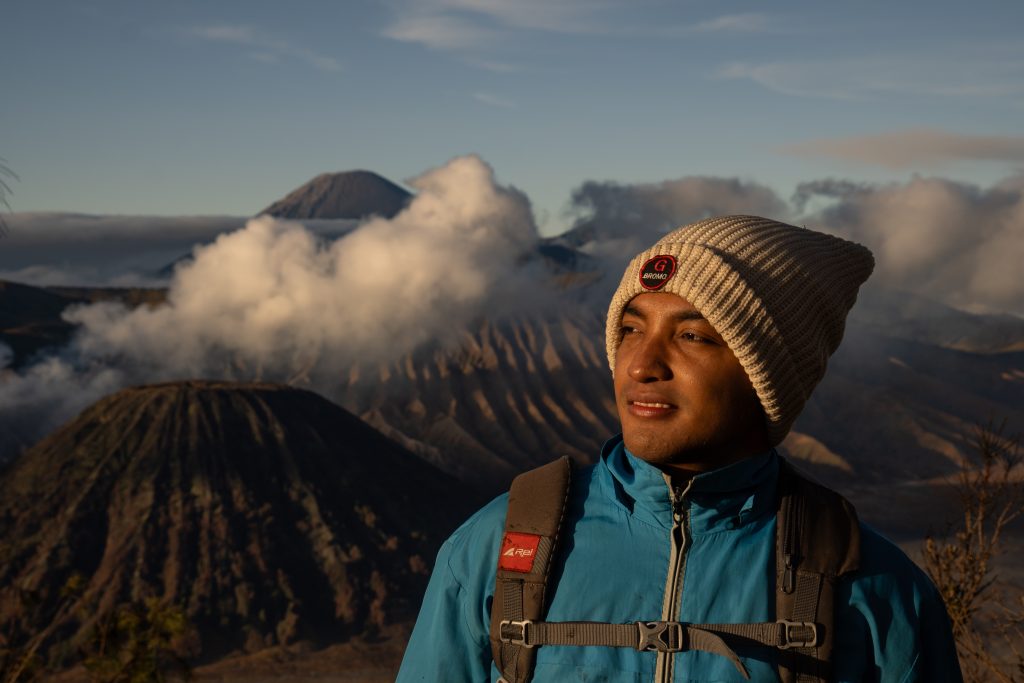
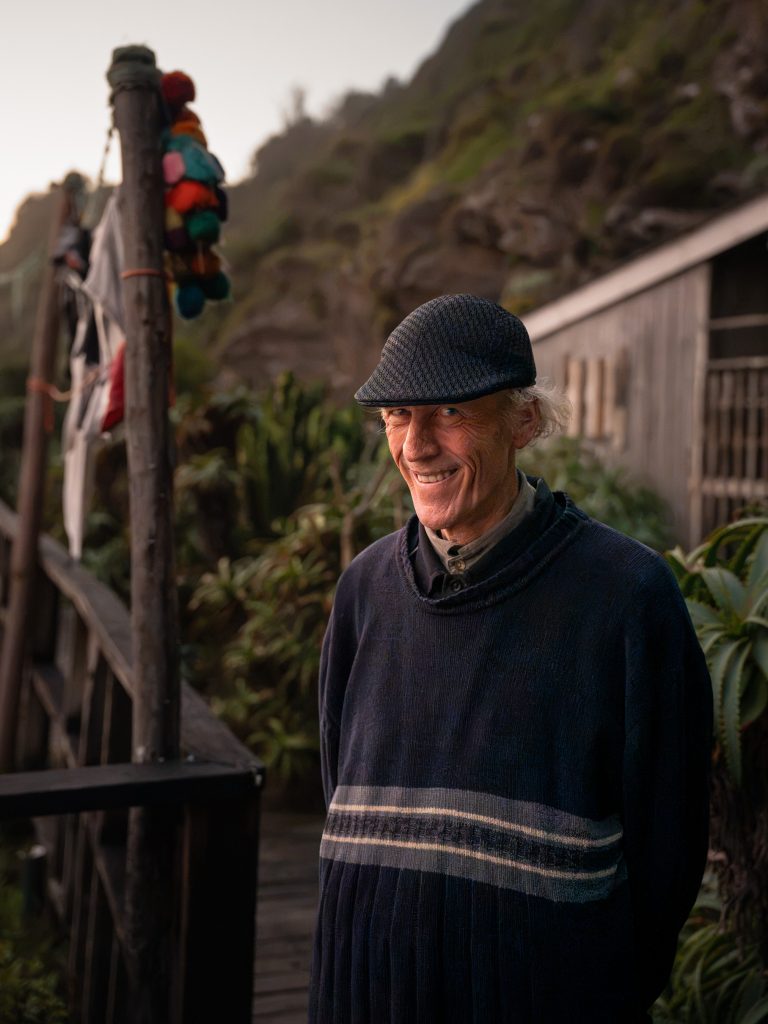
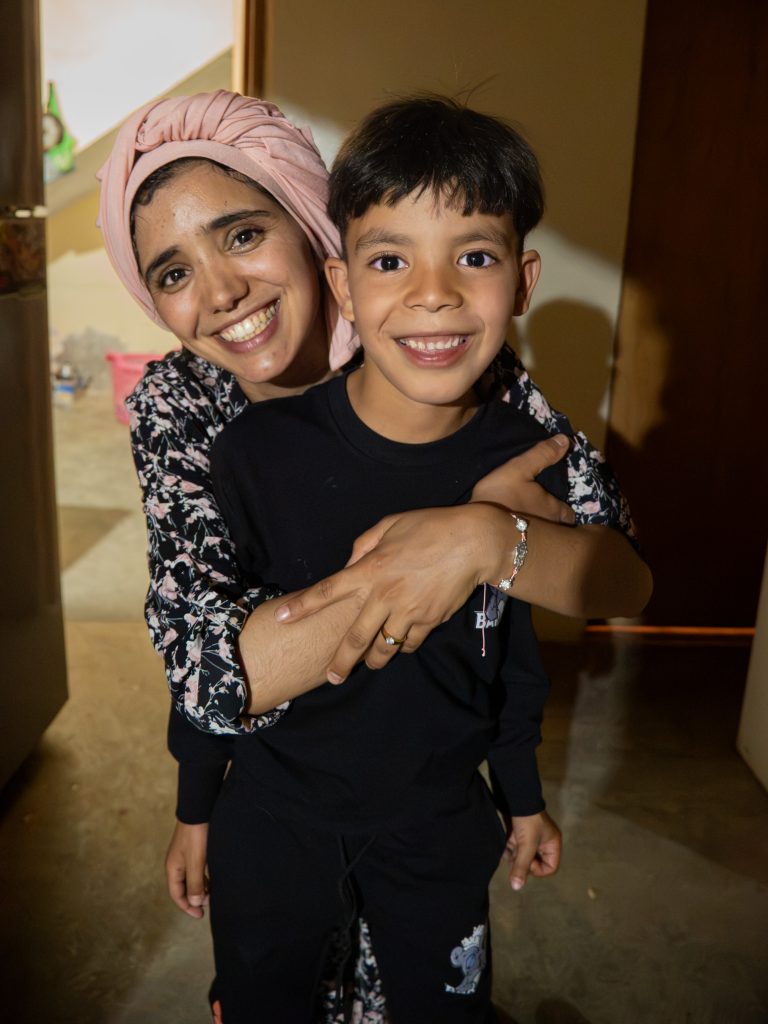
I can now tell the story of the man who lives in a cave next to abandoned train tracks in Wilderness, South Africa. I now know how, after living in the United States for decades, he developed a life philosophy of simplicity and that he believes in wonders. I can now tell the story of our tour guide in Mount Bromo, Indonesia, who had dreamed of working in the tourism industry since he was little to support his community. The person who initially appeared to me as “our guide” became someone with ambitions, responsibilities and a relationship with that place that I would never have known had I remained only a customer. I can now tell the story of how I got invited to attend a Moroccan wedding in a village in the Atlas Mountains. A village that was supposed to be little more than a place to sleep became one of the most immersive experiences of the trip and the moment in which I felt closest to everyday life in Morocco. Stories are what make places come alive, what give destinations depth.
The paradox of travel photography: What matters most is the moment, not the photo
Sometimes, however, the photograph isn’t the most important part. What matters most is the moment, not the photo.
I was flying from Frankfurt to Southeast Asia. It was the first week of the summer holidays, and one can imagine the buzz at one of Europe’s busiest airports. Children screaming, tired parents trying to keep them entertained until their flights. Businessmen in grey suits and little suitcases making their way through groups of teenagers on their way to Benidorm for their first trip without adults. I joined the kilometre-long queue for security, preparing to take all my camera gear out of my backpack and arguing with the grumpy security guard about the weight limit of my (definitely overweight) piece of hand luggage.
Yet, when it was my turn to step forwards and empty my bag onto the trays, the security man smiled at me. He was in his fifties, a short man with grey hair and thick black glasses. “Ah, a fellow photographer I see, huh?” he said to me with a grin on his face. I agreed, and we started talking about photography, ignoring the queue that was beginning to form behind us. He told me that he had been shooting with Leica for 30 years and that his camera was one of his most treasured possessions in life as it allowed him to see the world differently – in a way only other photographers understand. I was touched by his words. It felt as if they could have come out of my own mouth. It is special to bond with a complete stranger about something as profound as a shared way of seeing the world, and I felt understood immediately. When it was time for me to go through the scanner, he looked at me with a serious face and said: “If I can give you one piece of advice. As much as you love photography, what matters most is the moment, not the photo. Always remember that.” He turned around and started dealing with the next person in the queue. At first, I just smiled at him and nodded, not knowing how to react or interpret his advice. Only a few weeks later, in Indonesia, I would really understand what he meant by his words.
In a bar in Ubud, Bali, my friend and I met an English guy solo travelling through Indonesia for the third time. Oliver, as he was called, recommended visiting a specific temple in the countryside to us. He said he wouldn’t tell us any more. We would have to “go and experience it yourself”. The day after, we followed his advice. We took a scooter taxi to the middle of nowhere – it was a bumpy, hour-long ride. From the back of the scooter, I could see the buildings passing by in seconds. Stores selling timber doors, run-down warungs, and simple brick houses. Soon, we left the city behind us. Palm trees framed the narrow road, with more scooters passing by than I could count. We arrived at an intersection in a little village, and the driver stopped. Chickens were running around freely and I could hear a dog barking in the distance. “We have arrived”, he said in broken English.
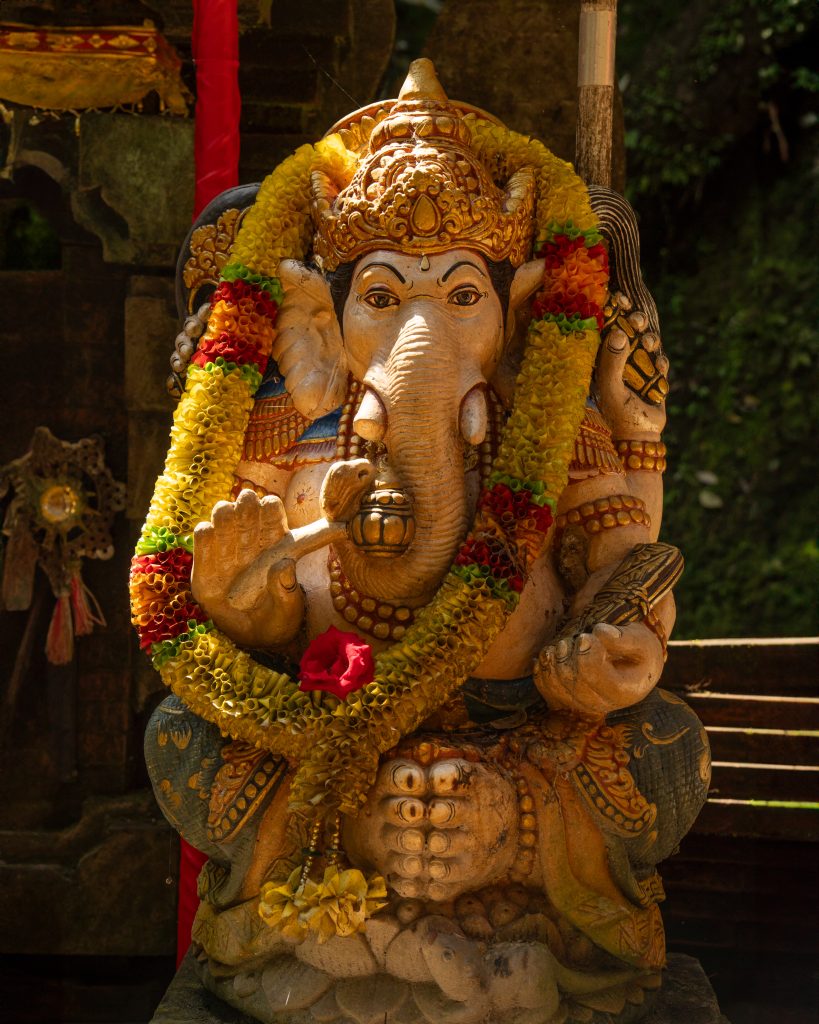
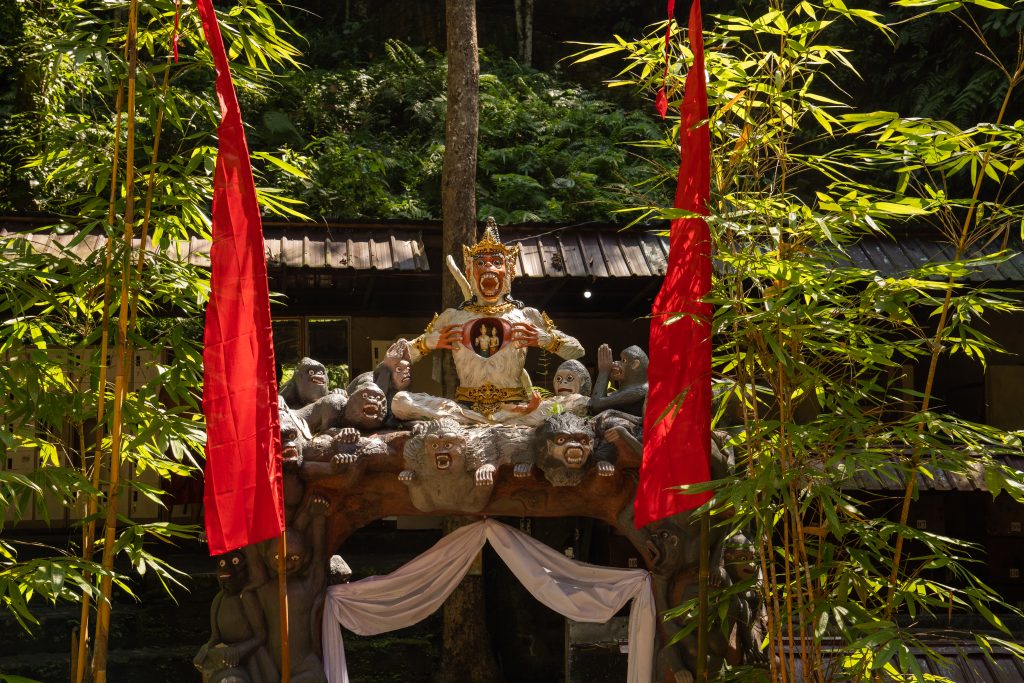
The path down to the temple was a narrow, steep staircase into the jungle, yellow flags framing the way. As we climbed further down, the forest became denser. The sounds from the road quietened down, and the sound of the birds grew progressively louder. And all of a sudden, the forest opened up, and we saw the temple. It was built into volcanic rock, with two sacred streams running through the gorge. Only a group of locals were there, tourists nowhere to be found. Deep down I could already feel that this place was special, beyond what I could comprehend. Locals come here to perform Melukat, a water purification ritual that washes away bad energy and marks new beginnings.
We left our belongings in the makeshift wooden changing rooms and were given a sarong to put over our swimsuits. But this also meant that I had to leave my beloved camera and couldn’t take it to the gorge itself. At first, I panicked. How could I not capture this beautiful place? How should I remember the ritual if I can’t take pictures during the process? Why had I chosen this place over Pura Tirta Empul, where I’d seen so many photographs I wanted to recreate? But then, I remembered the words of the security guard at the airport three weeks before: “What matters most is the moment, not the photo.”
We were guided by a member of temple staff through the 21 different purification points, each involving a different ritual as we made our way deeper into the canyon. The rituals involved splashing water on our faces, diving under, and screaming our negative energy into a roaring waterfall at the top of our lungs. And with every step, I felt calmer and more in awe of what I was experiencing. By the time we got to the waterfall, I had completely forgotten about my earlier anxiety over not being able to document the experience – which allowed me to fully live it. Because what matters most is the moment, not the photo.
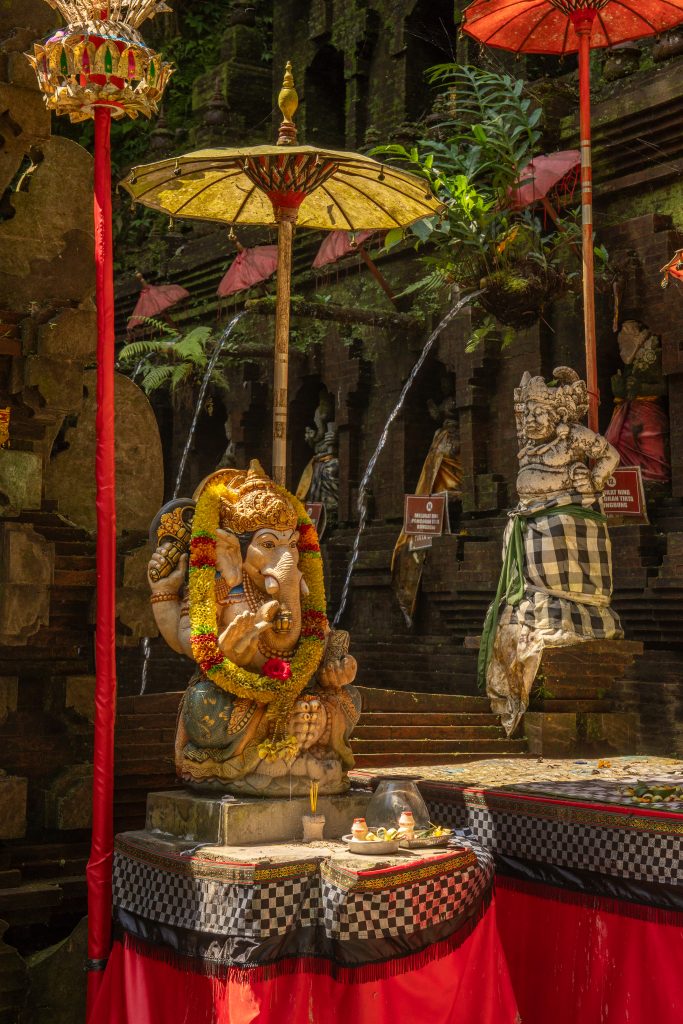
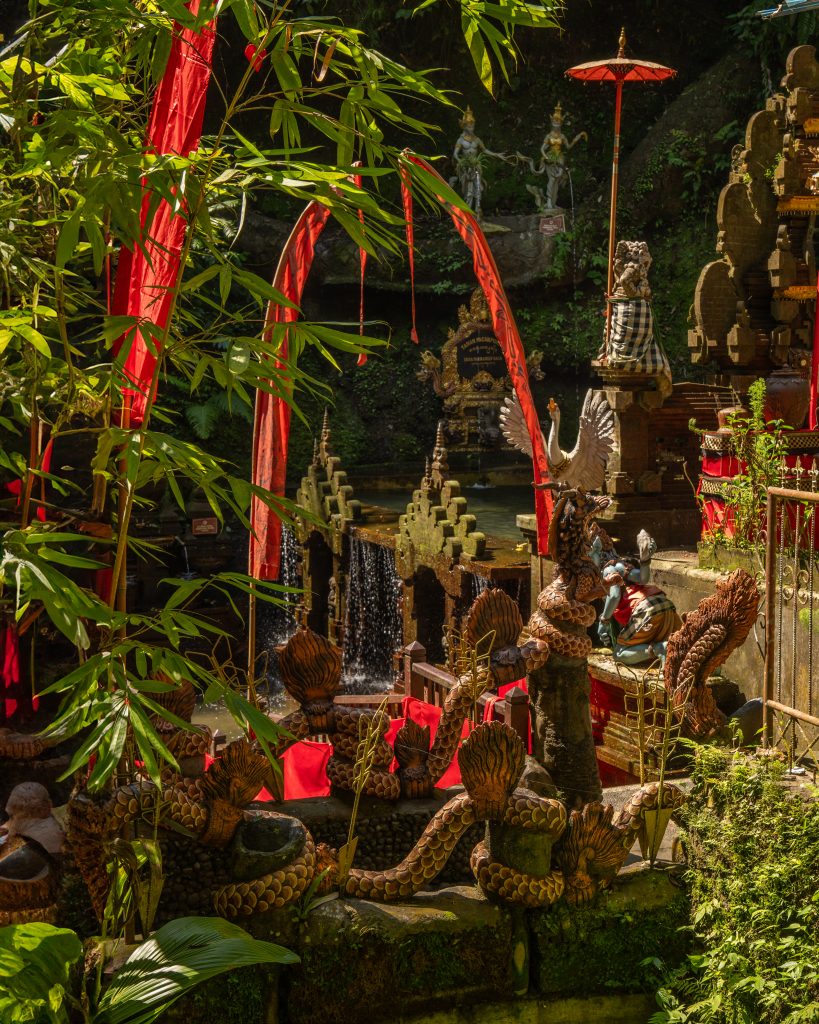
Travelling consciously
Perhaps the greatest thing photography has given me isn’t a collection of images or stamps in my passport, but a reason to be more present in the places I move through. The camera taught me to slow down, to take the wrong turn, to ask another question and to stay a little longer. And increasingly, I find that I do those things even when the camera stays in my bag, or when I am in my hometown. I still notice the light falling through a doorway, the conversation at the next table or the narrow side street with the old buildings everyone else seems to be walking past. Maybe learning to photograph a place was never only about learning how to take an image. Maybe it was about learning how to see.